
How did you first get into sports? What inspired you to start?
Sports have always been a part of my life. From a very young age, I loved being in the water, and I also enjoyed cycling and skateboarding.
My dream of pursuing water polo and swimming truly began after watching the Hungarian men’s water polo team win the gold medal at the 2004 Athens Olympics. That was the moment I said to myself, “I want to become an Olympic champion.”
Shortly afterward, I started playing water polo recreationally. However, my coach told me that I wasn’t a strong enough swimmer, so I began attending swimming practices alongside my water polo training.
Over time, I realized that I enjoyed swimming much more. I also found that the team-oriented nature of water polo wasn’t really for me, so I decided to focus entirely on swimming.
At first, I only trained three times a week, but I improved steadily. My parents eventually took me to the city’s only competitive swim club for a tryout. The coaches told them that I had excellent physical potential, but unfortunately they believed I had started too late and was already too old to become a competitive swimmer.
A few days later, I decided to commit to swimming anyway. I gradually increased my training from three sessions a week to five, and eventually seven. Step by step, I kept improving, fell more and more in love with racing, and discovered how much joy competitive swimming brought into my life.
How supportive were your parents and family of your decision to study and compete in sports abroad?
My parents have always supported me in pursuing my dreams, both academically and athletically.
In 2010, my father took me to the United States so I could train with a high school swim team for a few weeks. That experience planted the dream of one day studying and competing at the collegiate level in America.
My family recognized how important that dream was to me and supported me every single day in achieving it.
At one point, my father even taught himself swimming coaching by studying books and instructional videos from American swim programs so he could better support my development as a swimmer.
My mother mainly supported me with my daily nutrition and my academic preparation, especially when it came to improving my English and preparing for the college entrance exams.
How did Study N Sport help you throughout the process?
Study N Sport helped me build my athletic portfolio and assisted me in establishing contact with college coaches throughout the recruiting process.
How did training in the U.S. compare to training in Hungary?
The biggest differences are the “quality over quantity” philosophy, the greater emphasis on dryland training, and practices that are more dynamic and include a wider variety of technical drills.
Another major difference is the strong balance between academics and athletics. American universities place a great deal of emphasis on making sure student-athletes succeed in both areas.
Academic performance is never allowed to take a back seat to sports. Student-athletes are expected to meet high standards both in the classroom and in the pool. If someone consistently fails to perform in either area, they can quickly lose their place on the team.
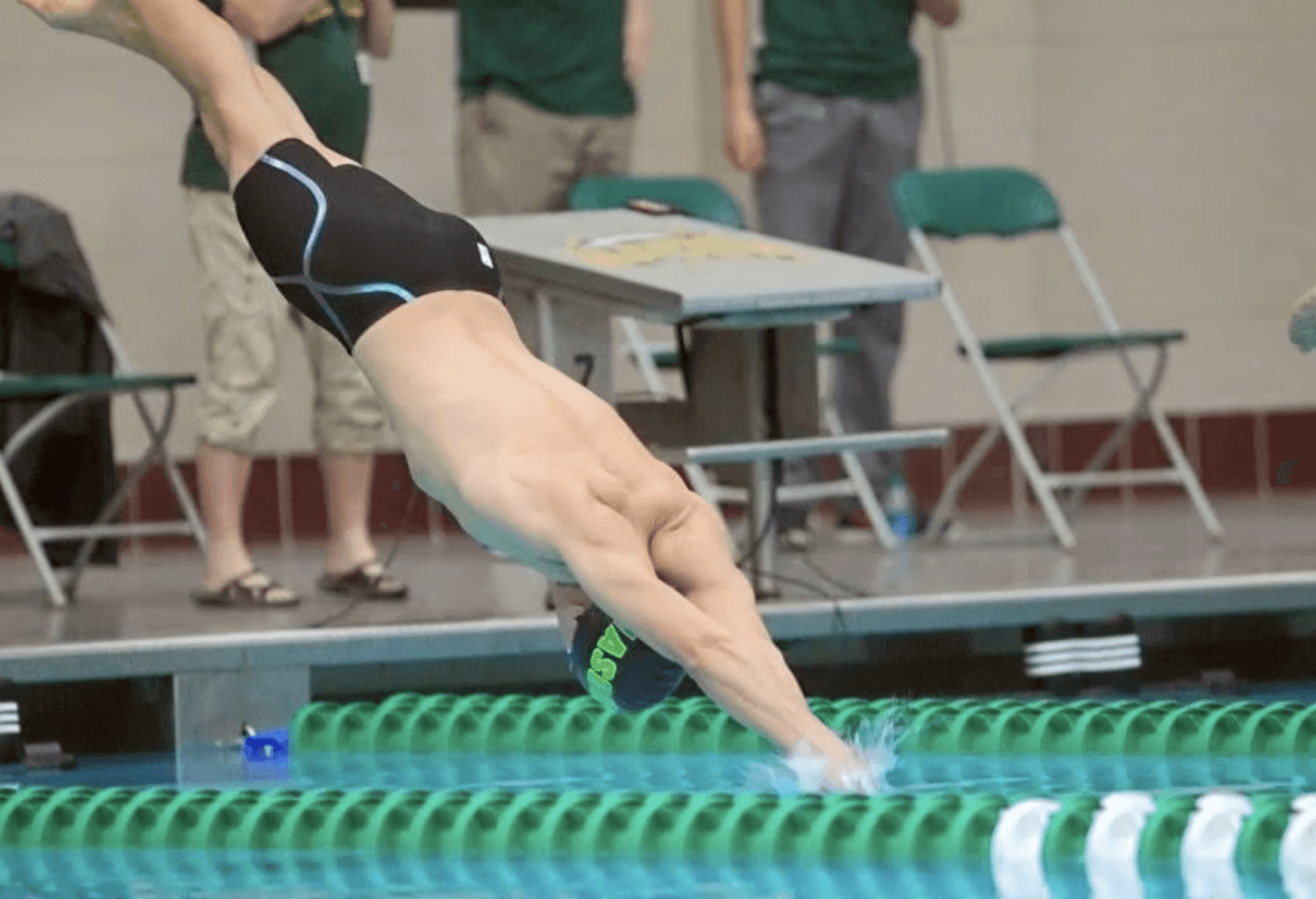
How easy or difficult was it to adapt? How did you manage with the language?
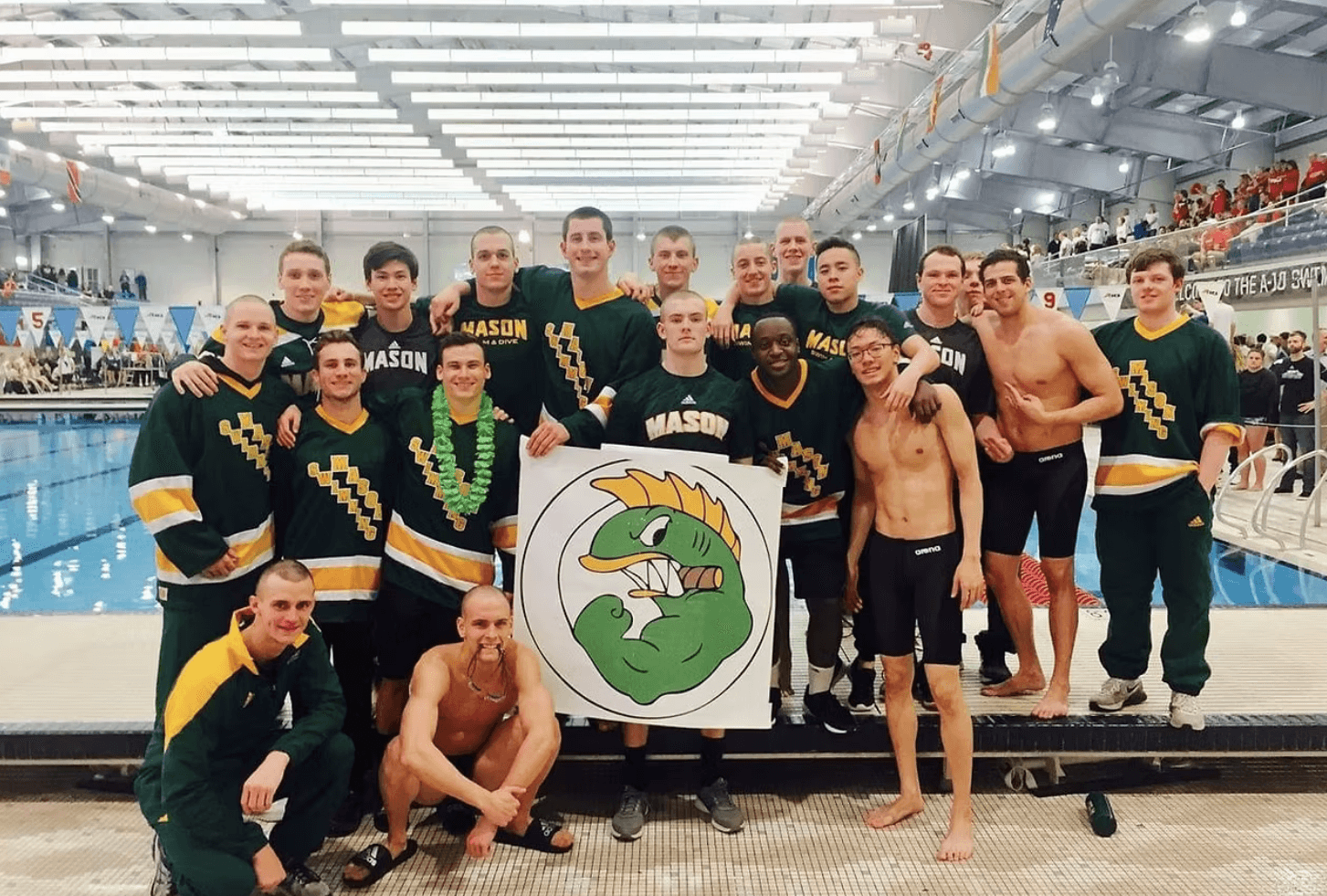
From the very beginning, my team was incredibly welcoming, and so were most of the American students, professors, and university staff. Everyone was always willing to help, whether it was explaining a workout, helping me understand how the university system worked, or simply making me feel at home.
I experienced American hospitality almost immediately. I had been in the U.S. for less than two weeks when one of my teammates invited me to spend Thanksgiving with his family in North Carolina. Similarly, at our very first collegiate championship meet, not only my teammates, but also other students, student-athletes, and even their parents—many of whom I had never met before—were cheering me on and supporting me.
As for the language, although I arrived with a strong English background—including an advanced English certificate and successful SAT and TOEFL scores—I still experienced noticeable improvement throughout my college years.
The biggest adjustment was becoming comfortable with everyday conversational English and understanding university-level economics lectures. From day one, I could follow conversations and lectures without much difficulty, but it took me a few months to feel confident responding quickly, especially in conversations filled with American slang and informal expressions.
How was your diet in the U.S. different from what you were used to in Hungary?
Back in Hungary, I mostly ate my mother’s home-cooked meals and followed a well-balanced nutrition plan that included a variety of supplements.
In the U.S., I had the opportunity to try a much wider variety of foods on a daily basis. My university had three dining halls that were open every day of the week, practically all day long. That meant I could enjoy freshly prepared meals whenever I wanted, in unlimited quantities.
Having constant access to quality food allowed me to focus entirely on my training and my studies without having to worry about preparing meals.
What does your everyday life look like now?
I currently live and work in the Washington, D.C. metropolitan area, where I work as an IT consultant.
Outside of work, I try to stay active whenever I can by playing volleyball, running, and swimming. I also enjoy spending time with my friends and making the most of every opportunity to be with my family.
What has been your greatest memory or achievement in swimming? What are you most proud of?
I’ve been incredibly fortunate to experience many unforgettable moments throughout my swimming career.
If I had to choose, I’d highlight winning the gold medal at the 2014 FINA World Junior Swimming Championships in Balatonfüred, Hungary, as well as helping my university team win the conference championship in 2020.
In both moments, I felt as though I had reached the top of a mountain and fulfilled one of my biggest dreams. What made those achievements even more meaningful was being able to celebrate them with my family and my closest friends.
What do you like most about America? Do you think there is such a thing as the “American lifestyle,” and if so, how is it different from life back home?
Absolutely.
America is a very different world in many ways. What I appreciate most is that it’s a place where people are valued for the work they put in and the positive impact they have on those around them.
When you contribute, work hard, and create value, society tends to recognize and reward those efforts. That creates an environment where people can confidently plan for the future and invest their time and energy into pursuing ambitious goals.
What do you think about the American education system? What does it do better—or simply differently—than the Hungarian system?
In the United States, sports are an integral part of the educational system from childhood all the way through the final year of college.
Student-athletes don’t have to choose between academics and athletics—they are encouraged to pursue both at the highest level. The two go hand in hand and support one another.
Being a strong athlete can also increase your chances of being admitted to highly ranked universities, while athletic scholarships can significantly reduce the cost of higher education.
In many ways, athletics are viewed as a valuable part of a student’s overall education and personal development.
What are your future plans and goals, both in sports and beyond?
Since graduating, I’ve been trying to apply the same mindset, discipline, and motivation that swimming taught me to every other aspect of my life.
This summer, I earned my master’s degree from the University of Virginia.
Professionally, I’d like to continue working in consulting, keep developing my expertise, become more effective in my work, and continue reaching new milestones in my career.
As for sports, I’m looking for opportunities to improve in activities I didn’t have much time to focus on during my competitive swimming career. Swimming will always have a special place in my heart, and I want to keep it that way. That’s why every couple of weeks I still meet up with one of my former teammates for a swim.
We want to get to know you better


