
When did you start fencing, and what inspired you to take up the sport?
I started fencing when I was around seven years old. My parents believed it was important for me to begin playing sports at an early age. Before fencing, I spent two years doing track and field, but I found it boring, and I never really enjoyed running. I also wasn’t particularly good at ball sports, so fencing turned out to be the perfect sport for me to develop both mentally and physically.
How supportive was your family of your decision to study and compete abroad?
My parents have supported me in every possible way. As difficult as it is for all of us to be so far apart, we all agreed that studying abroad would provide me with many more opportunities for my future.
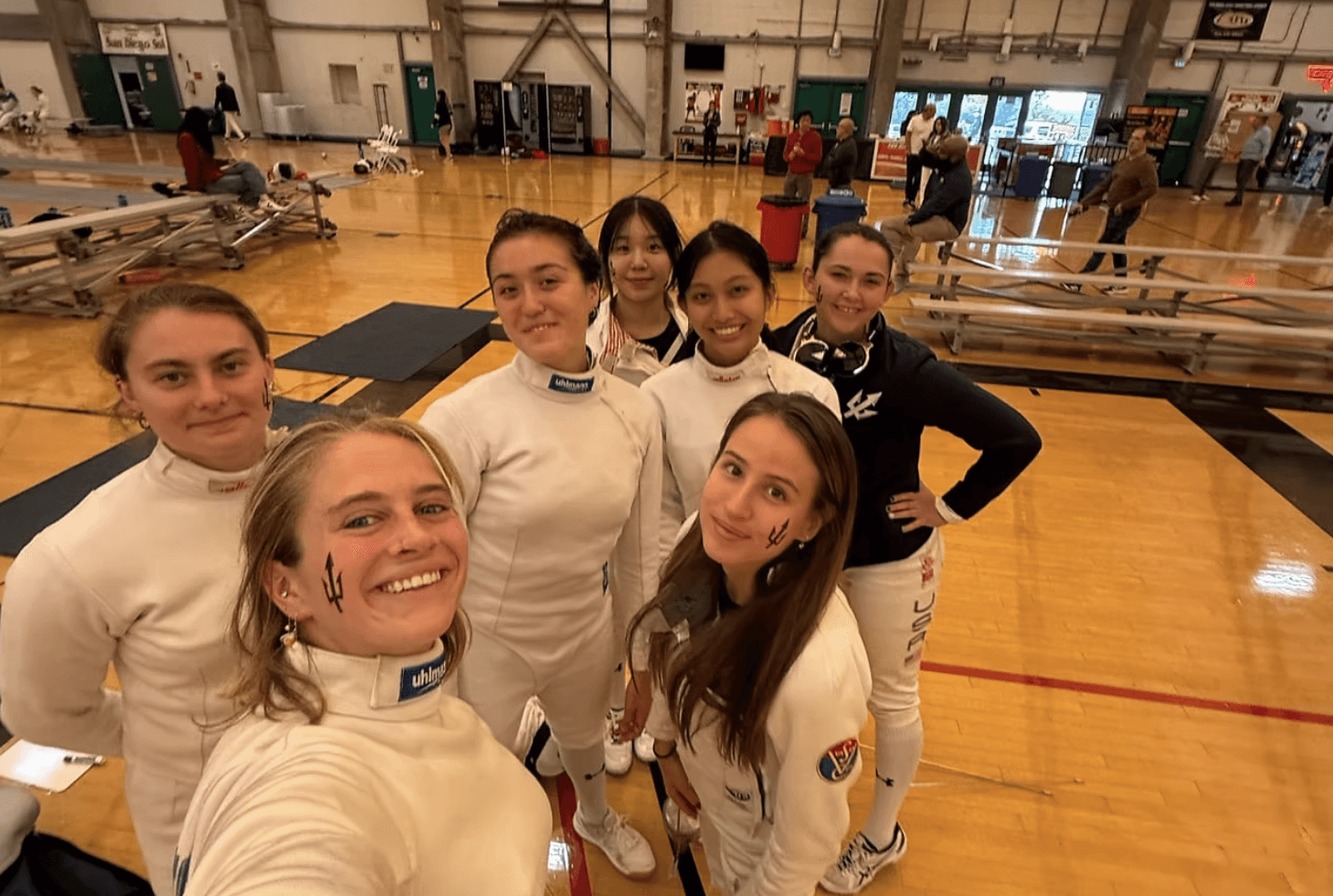
How did Study N Sport help you?
They helped me communicate with college coaches and guided me throughout the entire application process. Their mentorship was incredibly valuable because applying to American universities is very different from the admissions process in Hungary.
How did training in the United States compare to training in Hungary?
Here, practices place much greater emphasis on teamwork, even though fencing is ultimately an individual sport. We also have team captain positions, and quite often we’re responsible for planning and even leading parts of our own practices.
How easy or difficult was it to adapt? How did you manage with the language?
Adjusting was quite easy. Of course, it took some time to get used to the culture, but I adapted quickly. I’ve been fluent in English for many years, so language was never an issue.
How different was your diet compared to what you were used to in Hungary?
The ingredients back home are generally much healthier, while many foods here contain GMOs, preservatives, and high-fructose corn syrup, so it took my body some time to adjust. That being said, I enjoy cooking both here and back home, so I still prepare many of my own meals.
What did your everyday life look like?
Every morning starts with fencing practice, and sometimes we also train in the afternoons. Between practices, I attend classes and study. I also work in an RNA research laboratory, and in the evenings, I usually go to yoga.
What is your proudest achievement or favorite memory from your fencing career?
It’s honestly very difficult to choose just one.
What do you love most about America? Do you think the “American lifestyle” really exists?
The opportunities.
Everything is available here for someone who wants to succeed and pursue their dreams—you simply have to want it badly enough and be willing to work hard for it.
The American mindset is quite different from what I experienced at home, especially in the way people approach life with a much more relaxed and optimistic attitude.
What do you think about the American education system? What do they do differently?
I believe the American education system is generally more effective than the one back home, although it’s certainly not perfect.
Students are given a set of required courses needed for graduation, but we also have five or six elective classes that allow us to study subjects outside our major simply because we’re interested in them.
Those electives can be almost anything—filmmaking, music, the arts, computer programming, and much more.
Another major difference is grading. While exams still account for a significant portion of the final grade, students also earn points through attendance, homework assignments, and group projects. This creates opportunities to improve your overall grade even if one exam doesn’t go particularly well.
Which university do you attend, and what are you studying?
I attend the University of California, San Diego (UC San Diego).
Major: General Biology
Minor: Chemistry
Can you tell us what you’re doing now? How has your life evolved since moving to the United States?
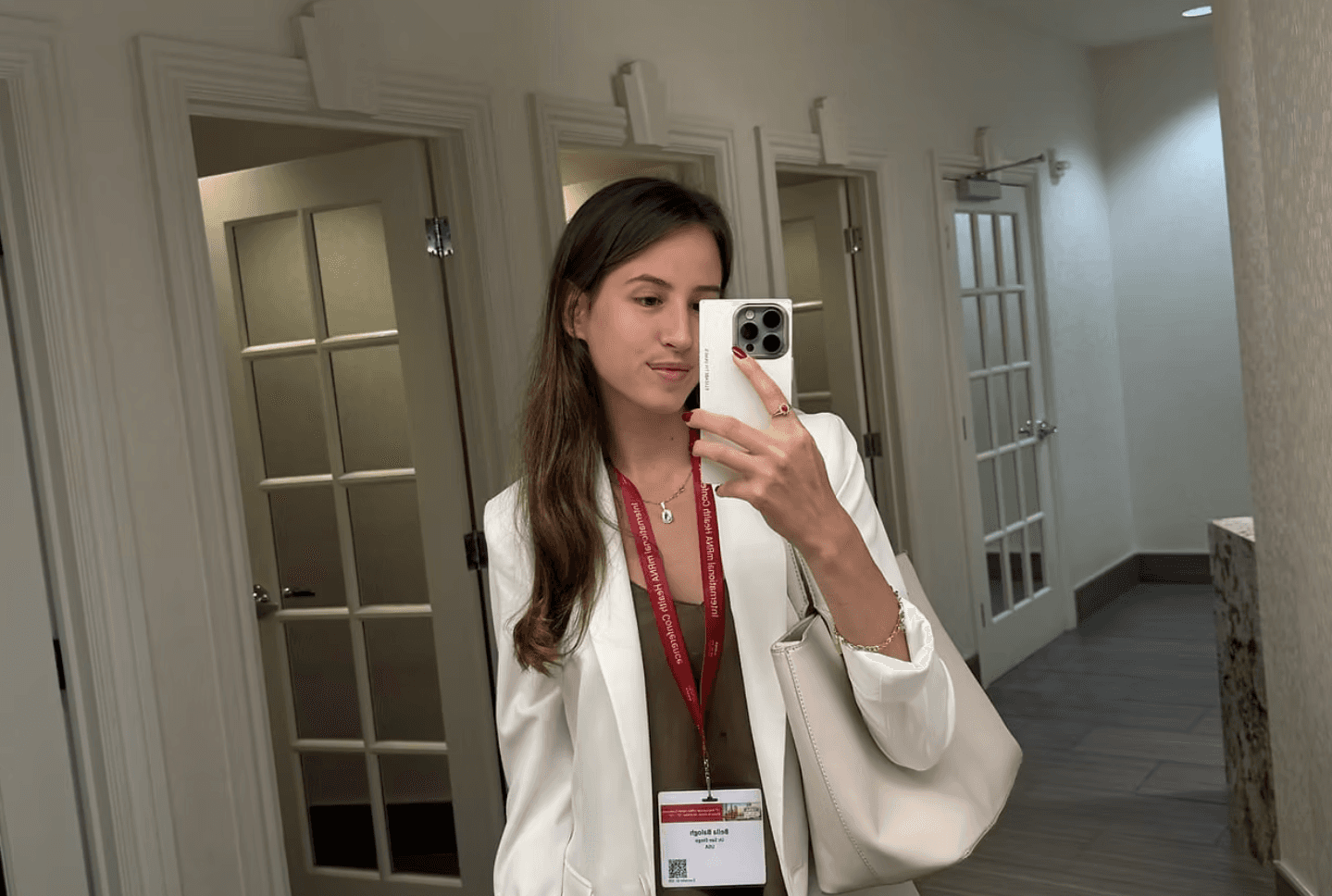
I’m currently a junior at UC San Diego.
I’m still an active member of the fencing team, while also working in an RNA research laboratory. In addition, I volunteer in my community and serve as the co-chair of one of the committees within a biology student organization.
Last summer, I completed an internship at the UCI Vaccine Research and Development Center, and this summer I’ll be joining an mRNA research laboratory at the University of Pennsylvania, which I’m incredibly excited about.
After graduating, my goal is to work for a major pharmaceutical company before eventually pursuing either a master’s degree or a Ph.D.
What advice would you give to young athletes who are considering this path?
If you’re fortunate enough to have the opportunity to study in the United States, take it.
Leaving home and everything familiar behind isn’t easy, but the sacrifices are absolutely worth it.
In the end, they’ll pay off many times over.
We want to get to know you better


