Oszd meg ezt a cikket
Tell us a little about how you got started in swimming, and which university you attended in the United States.
I started swimming when I was four years old on the advice of my doctors because I had asthma. Before long, what began as therapy became my passion.
After many years in the sport, I decided that I wanted to continue both my education and my swimming career in the United States. In 2022, I committed to Fresno Pacific University, where I had the opportunity to pursue both my academic and athletic goals.
Looking back, why did you decide to study and compete in the United States?
As time went on, my education became my top priority. I knew I was a strong swimmer, but I was also realistic enough to understand that I probably wasn’t going to become the next Dániel Gyurta.
At the same time, swimming had played such an important role in my life that I didn’t want all the years of hard work and dedication to go to waste. I saw the United States as the perfect place to combine my athletic background with outstanding educational opportunities.
In the end, that decision paid off. Thanks to both my swimming achievements and my academic profile, I was able to earn a substantial scholarship. Once that opportunity came along, there was no turning back.
Now that you’ve graduated, how do you look back on your experience? How has this journey changed you both as a person and as an athlete?
This experience changed me completely, both as a person and as an athlete.
I moved to the United States on my own at the age of 19, and suddenly I had to handle every challenge and solve every problem independently in a completely unfamiliar environment. At first, adapting wasn’t easy, but over time it became natural, and the United States truly started to feel like home.
From a sporting perspective, the journey had its ups and downs. I began my collegiate career highly motivated, but by my third year, after suffering a serious injury, I lost much of my passion for swimming. However, in my final year, I decided to give everything I had one last time at the conference championships—and in the end, I managed to exceed even my own expectations.
To be honest, I haven’t been back in the water since then. But one thing will never change: my love for sport. After 19 years as a competitive swimmer, that passion will always be a part of who I am.
What do you see as the biggest differences between Hungarian and American swimming culture, training methods, and competition?
The biggest difference is undoubtedly the sense of team unity.
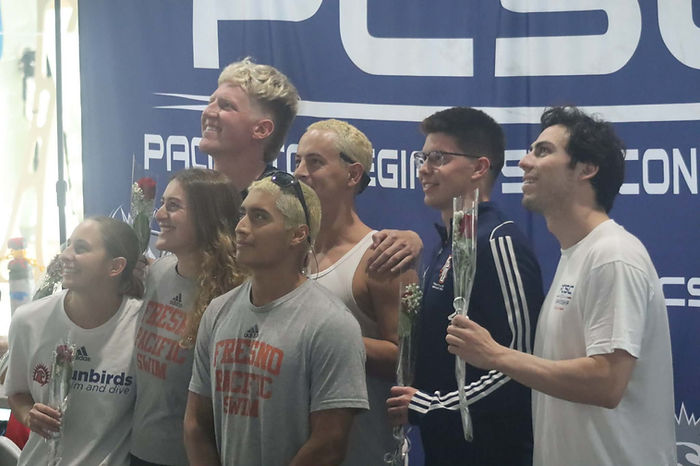
I’ll never forget the experience of competing at our conference championships, where my entire team stood on the pool deck cheering for me from start to finish. It was an incredible feeling.
In the United States, swimming isn’t viewed as an individual sport—it’s a team sport. It doesn’t matter where you’re from, what events you swim, or how fast you are. Your teammates will always stand by your side, supporting you in both training and competition.
When it comes to training, I think the Hungarian system has started to become more similar to the American approach. There is now a stronger emphasis on quality over quantity. Of course, there’s a big difference between training for a 50-meter sprint and a 1,500-meter event, but regardless of the distance, the philosophy is the same: the focus should be on high-quality, purposeful training rather than simply accumulating more volume.
Who do you credit the most for helping you get to where you are today?
Without a doubt, my parents. They have always been there for me. Whether I called them at two in the morning or two in the afternoon, they always answered the phone and supported me no matter what.
I also owe a great deal to my former coach back home, Laci, with whom I still keep in touch. He’s an outstanding person and played a huge role in my development as both an athlete and a person.
How did Study N Sport help you throughout your journey?
At the beginning, Study N Sport mainly provided guidance, helping us understand the entire process and the different options available. Later on, they assisted with the paperwork, applications, and email communication.
They were always available whenever I needed help. I’d also like to give special thanks to Flora, who helped prepare me for studying in English through Study N Sport.
From the very first step until the day I boarded the plane, they were there to support me every step of the way. Even after I arrived in the United States, they remained available and incredibly helpful. Honestly, without their support, I probably wouldn’t have made it to America at all.
What was the most difficult part of your years in the United States, and what was your best experience?
The hardest part was definitely the first few months. Adjusting to a completely new environment, making new friends, and simply finding my place was by far the biggest challenge.
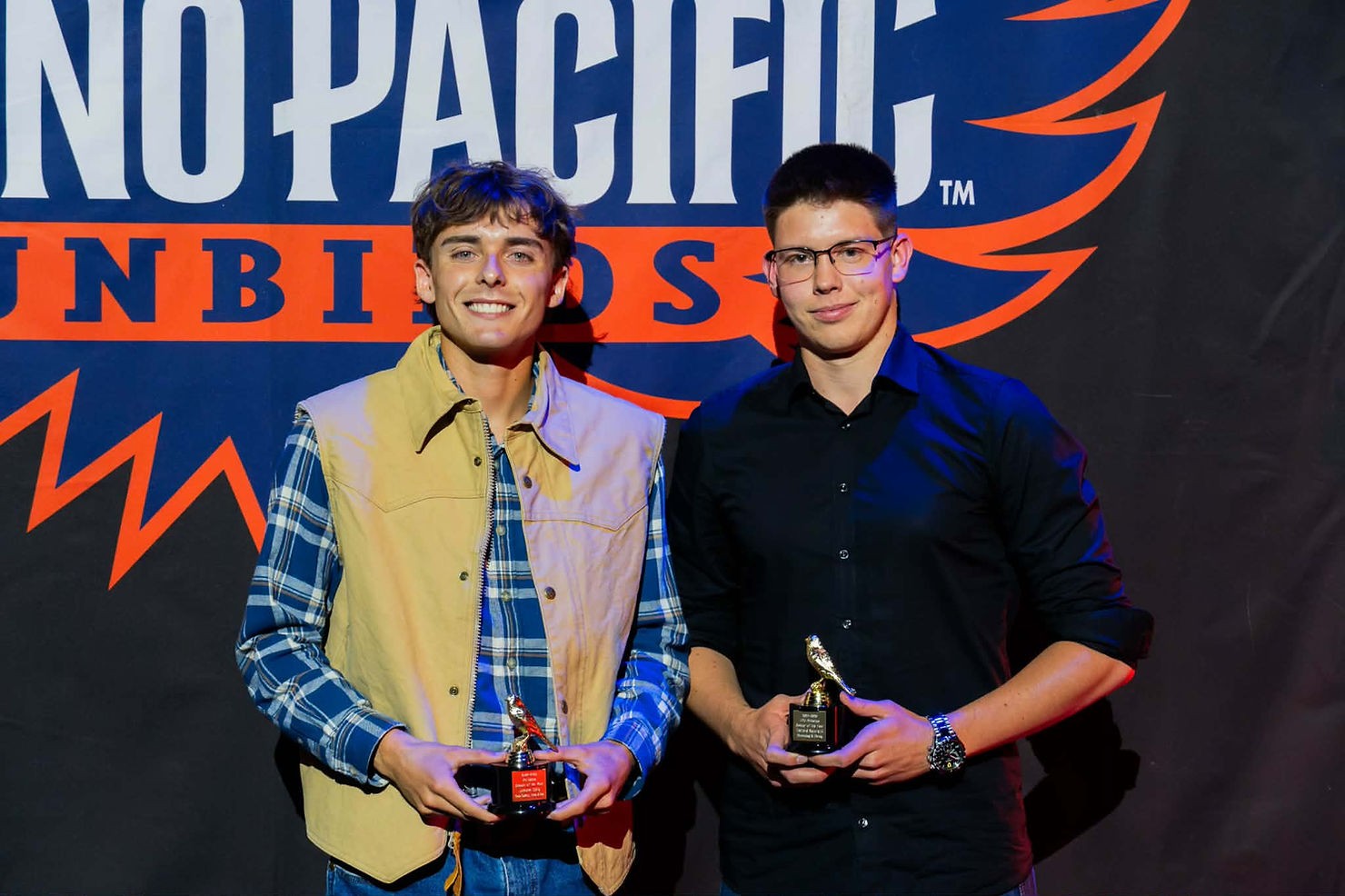
As for my best memory, it has to be the final race of my last conference championship. Coming back from an injury, I won a silver medal with the support and encouragement of my teammates. That performance ultimately contributed to me being named the university’s Scholar of the Year among all student-athletes, making it an unforgettable moment.
Beyond earning a degree and building your athletic career, what did collegiate sports in the United States give you?
It gave me countless unforgettable experiences. Those three and a half years were among the best of my life. Of course, there were difficult moments along the way, but every challenge was worth it, and I’ve never once regretted making the decision to study in the United States.
I also gained valuable life experience that I know I’ll be able to use wherever my career takes me.
What are you doing now?
I’m currently finishing my master’s degree at Trinity College Dublin in Ireland. I moved here last autumn to continue my education, and once I graduate, I’d like to stay in Ireland—or somewhere nearby—for a while to gain professional experience before deciding on my next step.
If you could start all over again, would you do it again? Why?
Absolutely. Especially now that I know what incredible experiences are waiting on the other side, I wouldn’t hesitate for a second to do it all over again.
What message would you give to young athletes who are thinking about studying and competing in the United States?
My advice is simple: stop overthinking it and just go for it.
In the worst-case scenario, you can always come home. But the opportunities, experiences, and people you’ll encounter through the American college system are truly unique, and it would be a shame to miss out on them.
Take the chance, embrace the challenge, and make the most of the opportunity—you won’t regret it.
Szeretnénk jobban megismerni téged